

Reduced motion on

Contact
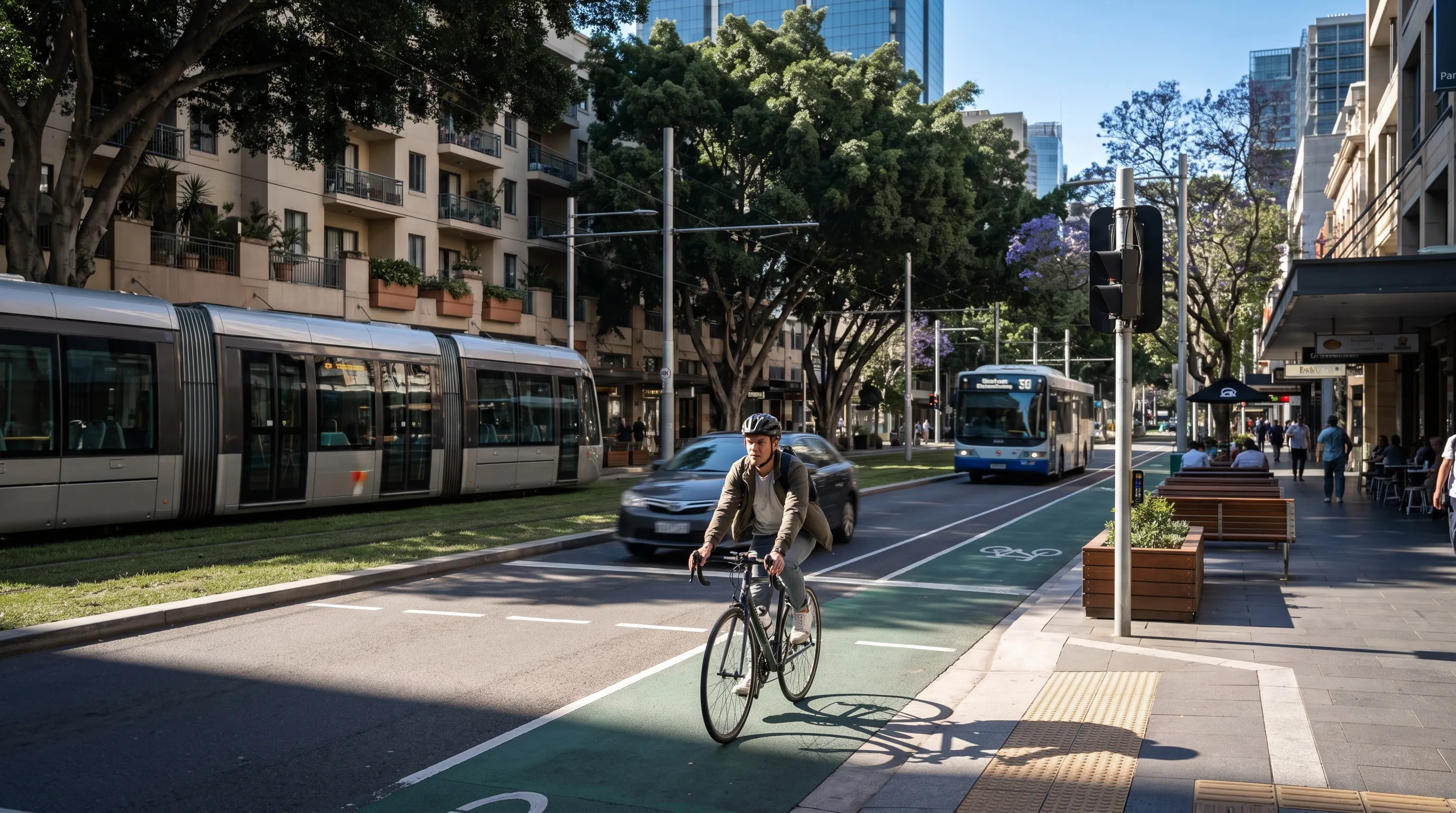
A cyclist rides a green bike lane along a city street shared with a tram, a bus and outdoor cafes.

Overview

Foundation for policy decisions and infrastructure investments

We work with our clients to identify the best planning frameworks and tools for each project. Additionally, we provide clients with the capability to enhance their models and tools when projects require.

Capabilities

What we do

  • Strategic assessment

    Network strategies, needs assessments and corridor studies.

  • Options analysis

    Structured comparison of alternatives, with the modelling to support each score.

  • Active and public transport

    Cycling propensity, walking catchments and public transport service planning.

  • Monitoring and evaluation

    System performance monitoring, post-implementation reviews and network resilience testing.

Approach

How we work

  1. Define the problem

    We start with your underlying objectives, checking that the right questions are being asked, not just the obvious ones.

  2. Shape the analysis

    We match the data, tools and analytical depth to the question at hand. Rigorous where it counts, without unnecessary complexity.

  3. Deliver insights

    We frame the answers within your context to support clear decision-making and practical change management.

Where we come in

The questions we answer

  1. Where should we install a new bike lane?

  2. What are the equity implications of Queensland’s 50 cent fares?

  3. Will an e-bike subsidy actually change how people travel?

Related thoughts

Keep reading

Related thoughts

Keep reading

All thoughts
  • To Cycle or Not to Cycle

    The transport modelling landscape has traditionally prioritised motorised transport, reflecting its predominance in urban mobility systems.

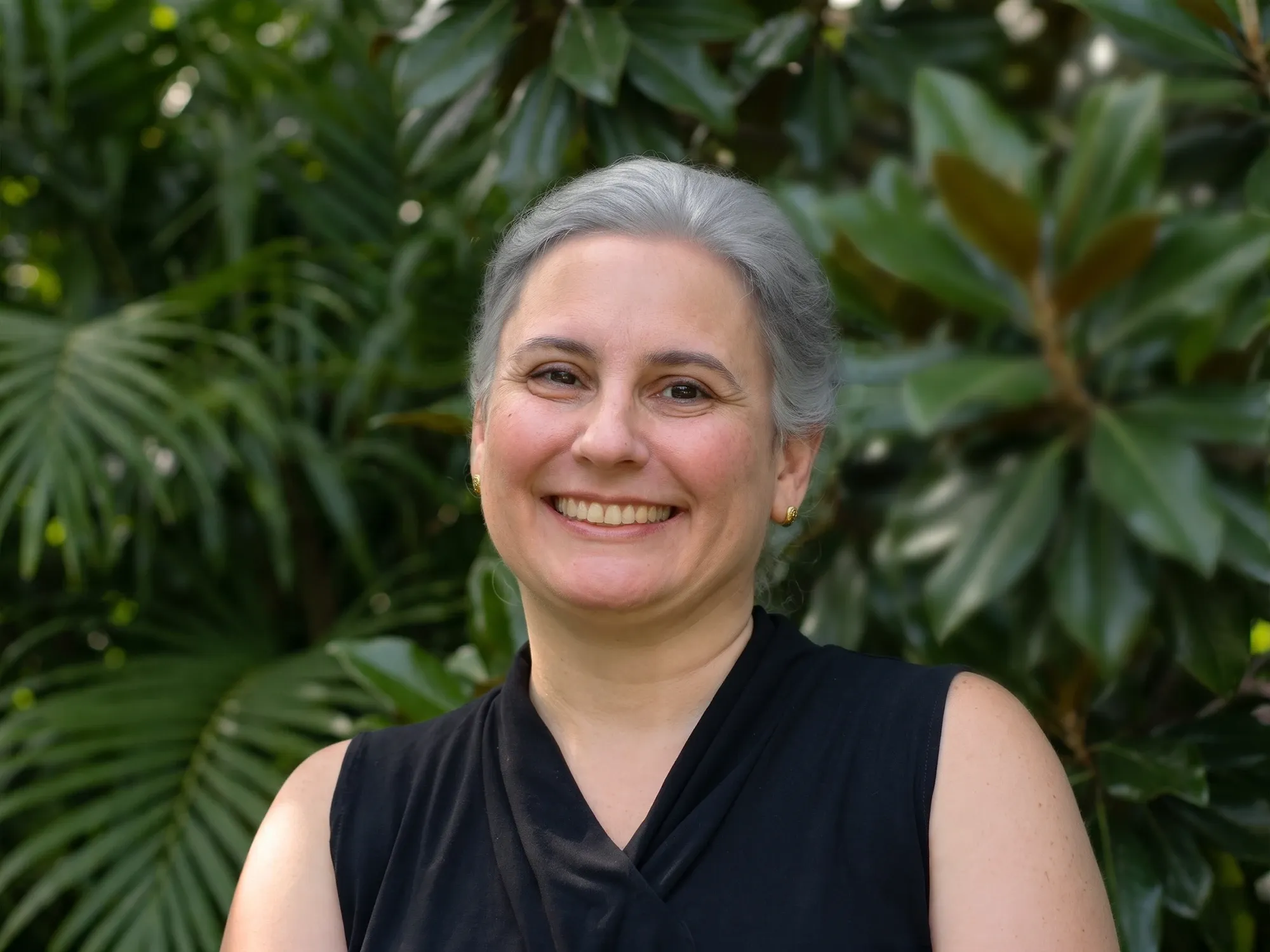
    Christina de Freitas, MBA4 min read